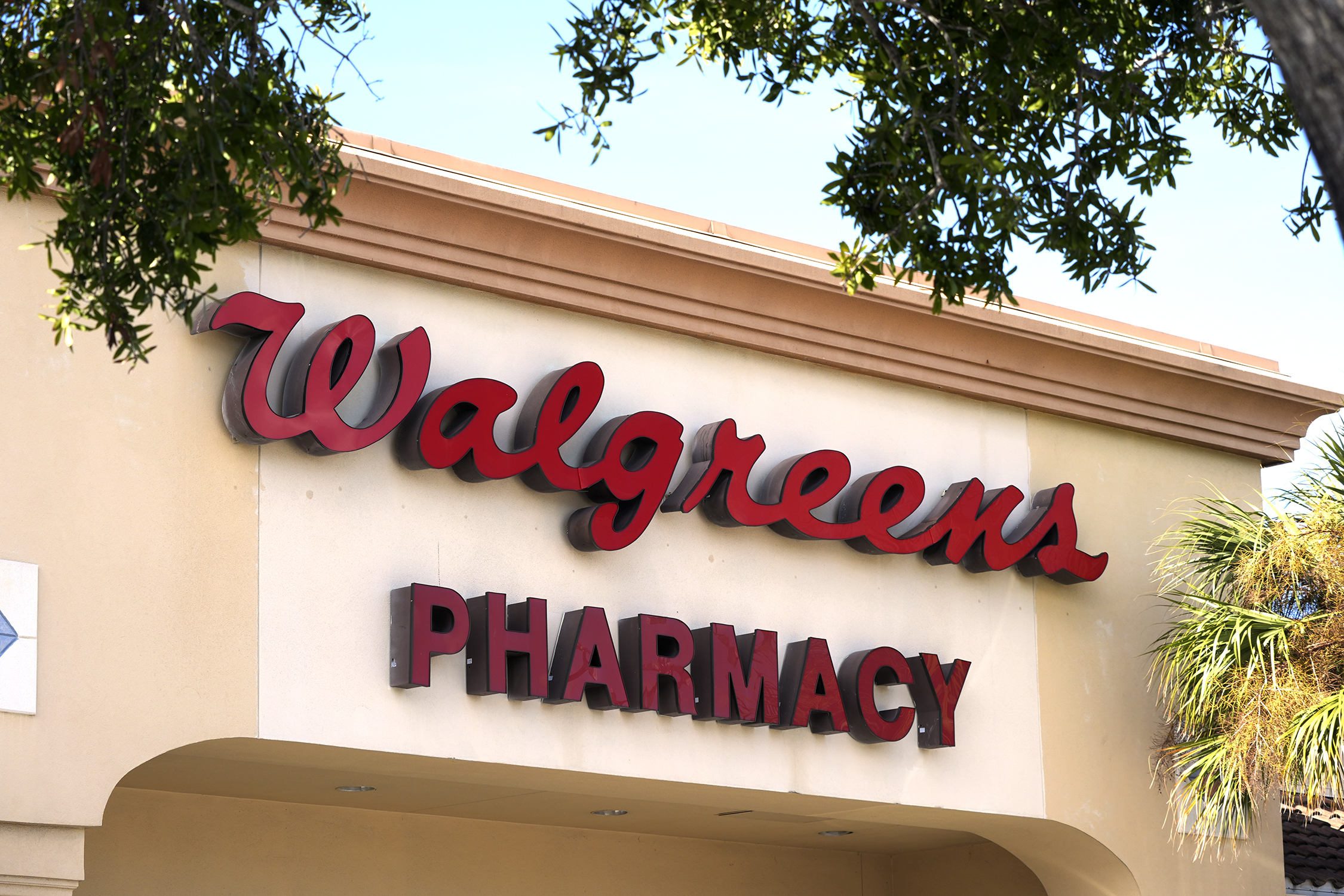
If you own a Walgreens, CVS, or Rite Aid and the tenant just handed you a two-year extension, don’t pop the champagne. That short extension isn’t a vote of confidence in your store — it’s private equity buying itself time and quietly putting your building on the clock.
Here’s what changed. In late August 2025, Sycamore Partners closed on Walgreens. The second a PE sponsor takes over a retailer, the real estate stops being a “legacy obligation” and turns into a lever. Public companies think in quarters and reputations. Private equity thinks in exits — a three-to-seven-year window to buy it, restructure it, and sell it. Every long lease on the books is flexibility they don’t want. Every short one is optionality they do.
And you don’t have to guess whether they look at the real estate that way — they already showed their hand. Within weeks of closing, Sycamore rolled 207 of those leased stores across more than 40 states into a single $490 million CMBS loan. Read that again: they bundled the leases you’re counting on and borrowed against them on Wall Street. To this owner, your store isn’t a store. It’s collateral — and a card to play later.
That’s the whole story behind the two-year extensions everyone’s suddenly seeing. It’s not a knock on your specific location — it’s a pause button. Walgreens is breaking itself into five standalone businesses and closing roughly 1,200 stores over the next few years. Nobody at the top is signing off on permanent real estate calls right now, so they push every decision two years out and keep their options open. The locations they’re sure about get the longer extensions. Everything else gets just enough runway to decide later.
And when a sponsor like this finally “decides,” they don’t count doors — they count returns. They squeeze the portfolio into fewer, higher-conviction markets and let the redundant ones go. So your building’s future has almost nothing to do with how your store rings the register. A perfectly good location can still get cut if the whole market around it gets rationalized.
The numbers underneath this don’t favor the owner, either. A lot of you bought or refinanced when money was cheap — sub-5% debt on a “bond-like” tenant. Cap rates today are 200 to 300 basis points higher, so values are down and refinancing bites. Worse, most Walgreens leases pay more than the space would actually re-rent for on the open market. So when that lease decision lands, the tenant already knows your rent is rich and your options are thin.
We’ve seen this movie. Sycamore ran the same playbook on Staples and Belk — keep the commitments short, prune the dead-weight markets, rationalize the footprint, then reposition what’s left. Under this kind of ownership, rent isn’t a relationship. It’s a line item sitting right next to labor on a spreadsheet. Don’t wait around for loyalty.
So what do you actually do about it?
Stop assuming you’ve got a menu of great options. You might have one decent outcome and a stack of bad ones. Figure out which is which before the tenant ever picks up the phone.
Pressure-test your financing now — even if your loan isn’t due tomorrow. The moment the tenant’s extension certainty disappears, your lender’s tone changes fast. Know where you stand before someone else forces the question.
Use the two years. That’s the one gift in this. Two years is runway — to line up a sale, reposition the asset, or get ahead of the decision instead of scrambling after it. Owners who wait for Walgreens to move first end up negotiating from the back foot. Owners who name their least-bad outcome early and drive toward it on their own clock keep the leverage.
Bottom line: the game changed, and pretending your drugstore is still the safe, sleepy bond you bought is the most expensive mistake you can make right now. The owners who come out ahead over the next few years are the ones who understand what the sponsor is really doing — and get in front of it.
If you own a Walgreens, CVS, or Rite Aid and you want a straight read on where your deal actually stands — what it’s worth today and your smartest move before the clock runs out — that’s what we do all day. Let’s talk before the tenant calls you.